
Last updated on July 2nd, 2026 at 06:26 pm
Visitors often associate Singapore with being a multicultural and diverse society. Much of this diversity is reflected in the customs, beliefs and traditions that continue to be practised and passed down through generations by people of different races and cultures.
Beyond Singapore’s futuristic skyline, world-class attractions and year-round events , religious festivals and cultural celebrations offer some of the most authentic insights into local life. From annual pilgrimages and firewalking ceremonies to festive gatherings and community rituals, these traditions provide a deeper understanding of the values, histories and identities that continue to shape Singapore today. For travellers who want to understand Singapore beyond the usual sightseeing checklist, these celebrations offer a unique window into the communities, stories and traditions that have helped shape the nation.
This article is part of our Exploring Singapore Like a Local series, which introduces visitors to the food, traditions and daily experiences that shape life in Singapore. For travellers who want to discover Singapore’s cultural diversity beyond the guidebooks, our Custom Private Walking Tour is wonderful for first time visitors and returning travellers, connecting you with local insights in the company of our friendly and knowledgable expert guides.
Table of Contents
1. Kusu Island Pilgrimage: A Journey of Faith Across the Sea
A short ferry ride from mainland Singapore lies Kusu Island, a small island that becomes the focus of one of Singapore’s most distinctive annual religious traditions.
Each year during the ninth lunar month, thousands of devotees travel to the island to seek blessings, offer prayers and continue a tradition that has been observed for generations. Many visit the Da Bo Gong Temple, dedicated to Tua Pek Kong and Guan Yin, where prayers are offered for health, prosperity, family well-being and good fortune.
What makes Kusu Island particularly fascinating is that it is also home to three Malay keramat shrines located atop a hill. Pilgrims climb the steps leading to these shrines, continuing a longstanding tradition that reflects the island’s shared spiritual significance.
For visitors, the Kusu Island pilgrimage offers a reminder that Singapore’s multiculturalism extends beyond modern policies and demographics. Long before the nation became known for its diversity, different communities were already developing traditions and places of worship that existed side by side.
The annual pilgrimage also highlights an important aspect of Singaporean culture: the passing down of traditions through families. Many devotees visit not because it is a tourist attraction, but because their parents and grandparents did the same. In a rapidly changing city, Kusu Island remains a place where history, faith and family traditions continue to meet.
2. Hungry Ghost Festival: When Tradition Comes to the Heartlands
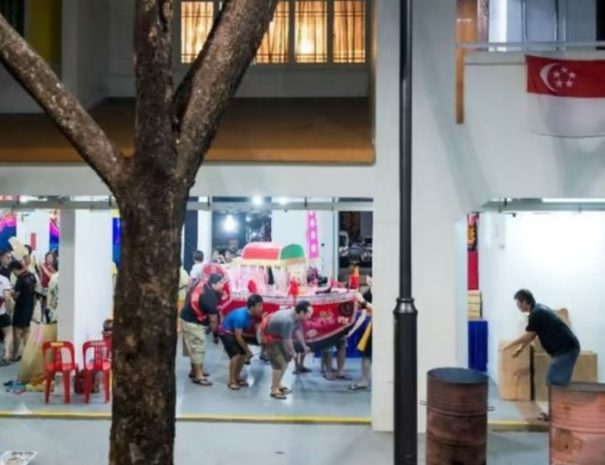
Every year during the seventh lunar month, visitors may notice a different side of Singapore emerging in neighbourhoods across the island. Makeshift altars appear beneath housing blocks, offerings are carefully laid out along pavements, and colourful getai performances bring music and entertainment to local communities. These are all familiar signs that the Hungry Ghost Festival has arrived.
Rooted in Chinese folk beliefs, the festival is associated with the belief that spirits are allowed to return temporarily to the human world during the seventh lunar month. Families honour deceased relatives through prayers, food offerings and the burning of joss paper. To many visitors, the festival’s customs can appear unusual at first. Empty front-row seats at outdoor performances, roadside offerings and makeshift altars may seem peculiar. Yet behind these traditions lies a simple and deeply human idea: honouring the memories of those who came before us.
The Hungry Ghost Festival also offers a glimpse into community life in Singapore’s heartlands. While the country is often portrayed through its modern skyline and gleaming attractions, many local traditions continue to thrive within public housing estates where most Singaporeans live.
For many families, the festival is not simply about religious beliefs. It also encompasses respect, remembrance and maintaining connections across generations. In that sense, the Hungry Ghost Festival reveals how cultural traditions continue to coexist alongside modern urban life in Singapore.
3. Theemithi: Walking Across Fire in an Act of Faith
Theemithi, also known as the Firewalking Festival, is one of Singapore’s most significant Hindu religious observances. In Singapore, it is closely associated with Sri Mariamman Temple on South Bridge Road, Singapore’s oldest Hindu temple. While visitors may know Theemithi for the dramatic sight of devotees walking barefoot across burning embers, the firewalking ceremony is only the culmination of a much longer festival cycle. The observance spans several months and is rooted in the Mahabharata, one of India’s great epics.
The festival honours Goddess Draupadi Amman, a central figure in the story who demonstrated her faith and purity by walking across fire unharmed. Today, devotees continue the tradition as an expression of devotion, gratitude and the fulfilment of vows.
On the day of the ceremony, devotees proceed from Sri Srinivasa Perumal Temple in Serangoon Road to Sri Mariamman Temple in Chinatown. The priest crosses the fire pit first, followed by temple volunteers and devotees who have prepared themselves through prayer, discipline and religious observances.
For visitors, Theemithi may be one of the most interesting festivals in Singapore. Yet its significance goes far beyond the firewalk itself. At its heart, the festival is about faith, endurance and spiritual commitment. It also highlights how historic temples continue to serve as active centres of worship, preserving traditions that remain deeply meaningful to Singapore’s Hindu community today.
4. Deepavali: Celebrating the Triumph of Light Over Darkness
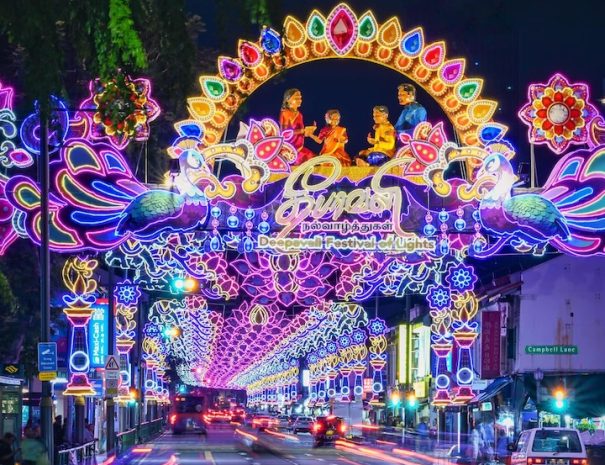
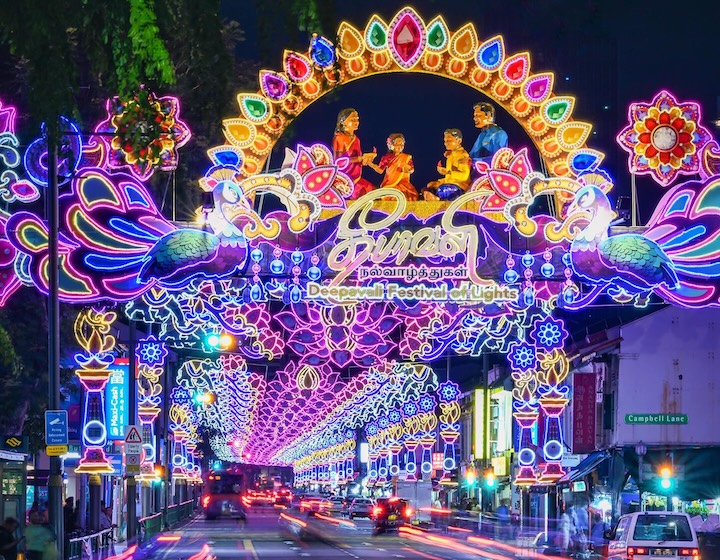
Deepavali, often known as the Festival of Lights, is one of Singapore’s most vibrant religious celebrations. In the weeks leading up to the festival, Little India transforms into a colourful display of lights, decorations and festive markets. Visitors are often drawn to the lively atmosphere, but the celebration carries a much deeper meaning for Hindu communities.
Deepavali symbolises the triumph of light over darkness and good over evil. Families prepare by cleaning and decorating their homes, purchasing new clothes and gathering with loved ones. Oil lamps known as diyas are lit as symbols of hope, positivity and renewal. While many visitors experience Deepavali through the festive atmosphere in Little India, the celebration is ultimately centred around faith, family and community. It is a time for reflection, gratitude and strengthening relationships with loved ones.
Deepavali also highlights the enduring presence of Indian culture within Singapore’s multicultural society. Generations after the first Indian migrants arrived on the island, traditions, languages and customs continue to remain vibrant parts of Singapore’s cultural landscape.
5. Hari Raya Puasa: A Celebration of Gratitude and Community
Hari Raya Puasa marks the end of Ramadan, the holy month of fasting observed by Muslims around the world. During Ramadan, Muslims abstain from food and drink between dawn and sunset while focusing on prayer, reflection and acts of charity. Hari Raya Puasa marks the conclusion of this important period and is a time of celebration, gratitude and renewal.
In Singapore, preparations often begin weeks in advance. Areas such as Geylang Serai come alive with festive bazaars, colourful light displays and seasonal food stalls. Families shop for traditional clothing, decorations and festive treats ahead of the celebrations. On Hari Raya itself, many Muslims attend prayers before visiting relatives and friends. Homes are opened to guests and traditional dishes such as rendang, ketupat and other festive favourites are shared with family and visitors.
Beyond the celebrations, Hari Raya reflects values that resonate across cultures: gratitude, generosity, forgiveness and the importance of family bonds. For visitors, it offers an opportunity to better understand Singapore’s Malay-Muslim community and the role these traditions continue to play in everyday life.
6. Vesak Day: Honouring the Buddha's Life and Teachings
Vesak Day is one of the most important dates in the Buddhist calendar and commemorates the birth, enlightenment and passing of Gautama Buddha.
Across Singapore, Buddhist temples become centres of prayer, reflection and charitable activity. Devotees gather to offer flowers, candles and incense while participating in prayers and ceremonies. One common ritual is the bathing of the Buddha, in which devotees pour water over a small statue of the infant Buddha. The act symbolises purification and serves as a reminder to cultivate positive thoughts and actions.
Acts of kindness and charity are also central to Vesak Day. Many Buddhists choose to donate to charitable causes, volunteer their time or perform good deeds as part of the observance.
Compared to some of Singapore’s larger public celebrations, Vesak Day can feel quieter and more reflective. Yet this offers visitors a valuable insight into another important aspect of Singapore’s cultural landscape: the emphasis on compassion, mindfulness and service to others that remains central to Buddhist traditions.
7. Mazu Celebrations: Remembering Singapore's Maritime Roots
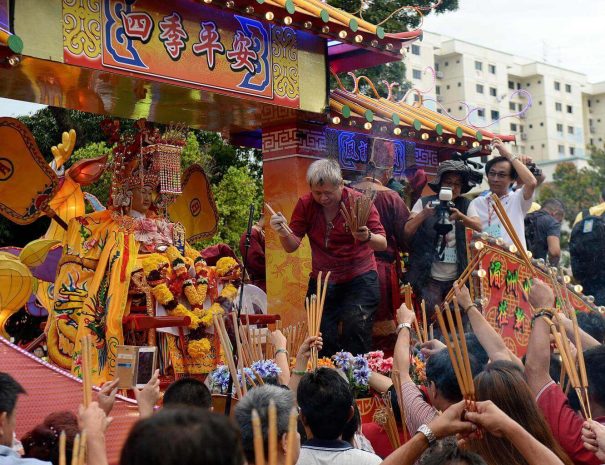
Before Singapore became known for its airport, financial district and modern skyline, it was a trading port connected to the wider world by sea. For many Chinese migrants who crossed dangerous waters to reach Southeast Asia, Mazu, the Goddess of the Sea, was a source of comfort and protection. Sailors, merchants and travellers often prayed to her for safe passage during long voyages.
This history can still be seen today at Thian Hock Keng Temple in Telok Ayer which is covered in our Culture, Art and Architecture walking tour. Built by early Hokkien immigrants, the temple was dedicated to Mazu and served as a place where newly arrived migrants could give thanks for surviving their journeys across the sea.
Annual celebrations honouring Mazu continue to attract devotees today. Yet the significance of Mazu extends beyond religion. Her story is closely tied to Singapore’s migration history and the experiences of many of the people who helped build the country. For visitors, Mazu celebrations offer a fascinating reminder that Singapore’s story is also a story of migration. Behind the modern city are generations of people who crossed oceans in search of opportunity while carrying their traditions, beliefs and cultural identities with them.
What These Festivals Reveal About Singapore
Singapore’s religious festivals are more than colourful celebrations. They reflect the diverse communities that have shaped the nation and continue to influence our daily life. Across the island, traditions are passed down through families, celebrated in neighbourhoods and woven into the fabric of modern Singapore. For visitors, these festivals offer a deeper understanding of the people, values and traditions behind the city. They show how Singapore has remained connected to its cultural roots while evolving into one of the world’s most modern and globally connected cities.
Kusu Island reflects Singapore’s intertwined cultural histories. The Hungry Ghost Festival highlights the importance of remembrance and family traditions. Theemithi demonstrates the enduring strength of faith and devotion. Deepavali celebrates renewal and cultural identity. Hari Raya emphasises gratitude and community. Vesak Day promotes compassion and mindfulness. Mazu celebrations connect modern Singapore to its immigrant past.
Together, these festivals reveal a side of Singapore that is not always visible through its architecture, attractions or economic success. They offer insight into the communities that built the nation, the traditions that continue to connect generations, and the values that remain important in everyday life. Through these celebrations, visitors gain a deeper appreciation of Singapore not just as a modern city, but as a society shaped by diverse cultures, shared histories and living traditions.
Planning a Cultural Journey in Singapore
Historic areas such as Chinatown, Little India and Kampong Glam are more than just popular tourist districts. They are living cultural neighbourhoods where history, faith and community continue to intersect. For travellers interested in understanding the stories behind Singapore’s diverse communities, exploring these districts with local context can add a deeper layer of meaning to the experience. Beyond the food, architecture and attractions are traditions that continue to shape Singapore today.
At Culture Curious, our private cultural tours are designed for travellers who want to understand Singapore beyond the usual sightseeing checklist. Through local stories, heritage sites and meaningful conversations, we help visitors connect with the people, traditions and communities that make Singapore unique.