
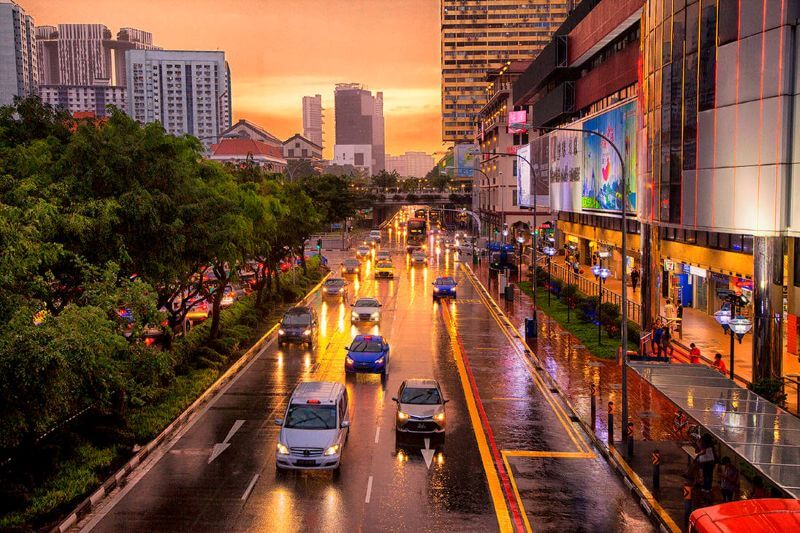
With world-class gardens, lively cultural quarters, striking architecture and street food worth planning a trip around, Singapore offers plenty to experience throughout the year. Singapore also consistently ranks among the world’s safest destinations, making it an easy city to explore independently, whether you’re travelling solo, as a couple or with family.
Singapore has an equatorial climate and is warm and humid year-round. Weather varies only moderately throughout the year, and brief tropical showers are common even outside the monsoon months.
For many travellers, February offers a relatively lower chance of prolonged rain, while January to March is particularly appealing for cultural celebrations. Those seeking fewer crowds may prefer March to May or September to October. Regardless, Singapore is a year-round destination, and the best time ultimately depends on the festivals, events and experiences you want to prioritise.
Read on for local recommendations on when to visit, what to experience and how to plan your trip.
Table of Contents
Singapore Is Hot All Year Round
“Warm or warmer” is how locals candidly describe Singapore’s climate. Located just one degree north of the equator, Singapore is warm, humid and sunny throughout the year, with typical daytime temperatures ranging from around 27°C to 32°C (81°F to 90°F).
The city does not experience four distinct seasons, although some months are wetter or drier than others. April and May are typically among the hottest months, while brief thunderstorms can occur throughout the year, so locals often keep both an umbrella and sunscreen close at hand.
Singapore’s Monsoon Seasons
Singapore experiences two main monsoon periods: the Northeast Monsoon from December to early March and the Southwest Monsoon from June to September. Transitional inter-monsoon periods generally occur between these seasons, when afternoon thunderstorms are common.
Insider Tip: To keep cool in Singapore’s equatorial climate, choose breathable fabrics such as cotton or linen, along with comfortable walking shoes. Carry a bottle of water, sunscreen, a hat and a compact umbrella to stay comfortable while exploring the city.
Northeast Monsoon: December to Early March
The Northeast Monsoon is divided into two phases.
Wet Phase: December to January
Frequent afternoon and early evening thundery showers are common, along with occasional monsoon surges. These can bring several days of moderate to heavy rain, stronger winds and cooler temperatures.
Dry Phase: February to Early March
Rainfall generally decreases, with drier and breezier conditions than during the wet phase. February is typically Singapore’s driest month and may suit travellers who prefer a lower chance of prolonged rain while sightseeing outdoors. Pack lightweight, breathable clothing and carry a compact umbrella or rain jacket, as brief showers can occur throughout the year.
Southwest Monsoon: June to September
The Southwest Monsoon is generally drier than the Northeast Monsoon, although short showers and thunderstorms remain common. Occasional Sumatra squalls can also bring heavy rain and strong winds, usually between the pre-dawn hours and midday.
Since Singapore’s weather varies only moderately throughout the year, it remains a popular year-round destination. Festivals, major events, visitor numbers and the experiences you want to enjoy may ultimately be more important than the weather when choosing your travel dates.
Monthly Total Rainfall Recorded in Singapore in 2025 (mm)
The figures below show the total rainfall recorded during each month of 2025. They represent conditions in one particular year rather than Singapore’s long-term monthly averages, and rainfall can vary considerably from year to year.
- January – 430.0 mm
- February – 124.1 mm
- March – 482.9 mm
- April – 364.9 mm
- May – 211.9 mm
- June – 126.4 mm
- July – 154.9 mm
- August – 193.1 mm
- September – 249.3 mm
- October – 147.5 mm
- November – 205.4 mm
- December – 294.4 mm
Source: Meteorological Service Singapore

Peak and Off-Peak Travel Seasons in Singapore
Whether you enjoy the energy of major events or prefer a quieter sightseeing experience, Singapore offers plenty to see and do throughout the year. In fact, one reason Singapore is easy to explore year-round is its efficient MRT and public bus network, allowing visitors to travel quickly between attractions without renting a car. Our Ultimate Guide to Public Transport in Singapore explains everything you need to know before your trip.
June to August and December to February are often busier travel periods, particularly around school holidays, major festivals and year-end travel. Popular attractions may be more crowded during these periods, and travellers who prefer a more personalised sightseeing experience may find a private walking tour useful.
March to May and September to October can offer a more relaxed time to explore, although visitor numbers and hotel prices vary around school holidays and major events. These months are well suited to discovering Marina Bay, Singapore’s cultural districts and other major sights at a more unhurried pace, whether you are visiting on a layover or staying for a full week.
Before booking, check Singapore’s official events calendar, as major festivals and international events such as Chinese New Year and the Singapore Grand Prix can affect accommodation prices and crowd levels. Travellers should also confirm the latest entry requirements for their passport through Singapore’s official immigration website.
Singapore uses the Singapore dollar (SGD), and contactless payments are widely accepted at attractions, restaurants and most shops. ATMs are readily available at transport hubs, shopping centres and major sightseeing areas.
Things to Do in Singapore Throughout the Year
January to March: Cultural Festivals and Seasonal Celebrations
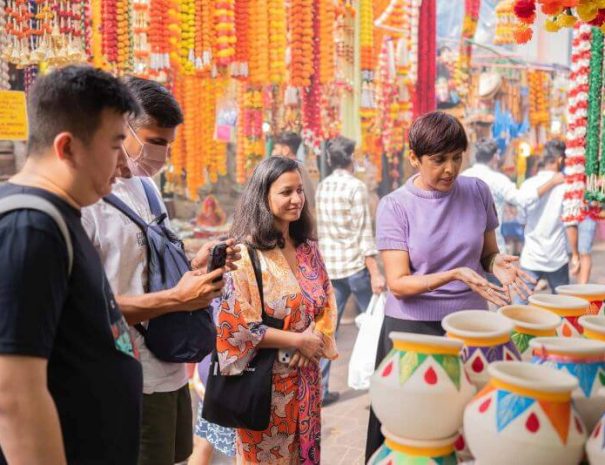
January begins with Pongal, a vibrant four-day Tamil harvest festival celebrated in Singapore’s Little India district. The festival gives thanks to the Sun God, nature and cattle for a bountiful year. Don’t miss the Pongal Open House at the Indian Heritage Centre, which features live folk music, cooking demonstrations and other cultural programmes. It offers visitors an engaging introduction to Singapore’s Indian heritage.
Come February, Chinese New Year marks the start of the Lunar New Year with customary rituals, family reunions and festive celebrations. Families gather for a bountiful reunion meal before visiting relatives and friends over the holiday period. Chinatown becomes the cultural centre of the festivities, with lively lion dances, martial arts performances and traditional music. Key highlights include the Chinatown Street Light-Up and River Hongbao at Marina Bay.
For travellers, this season offers a valuable opportunity to discover Singapore’s Chinese New Year customs. Sampling traditional snacks and learning about the festive dishes shared by local families with a friendly and knowledgeable Singapore tour guide can provide deeper insight into one of the most culturally significant celebrations for Chinese communities.
In March, Gemilang Ramadan enlivens Kampong Glam, where the historic Malay-Muslim district comes alive with bustling night markets and a wide variety of Malay-Muslim food. Ramadan is a sacred period for Muslims, observed through fasting, prayer and reflection. Walk along Bussorah Street and Arab Street, and you will be spoilt for choice, from sizzling satay and juicy kebabs to sweet treats such as ondeh-ondeh and traditional teh tarik, or pulled tea.
Insider Tip: While many local businesses close for several days from the Chinese New Year public holiday period, most major tourist attractions generally remain open. For the liveliest festive atmosphere, plan your visit in the weeks leading up to Chinese New Year, when Chinatown’s decorations, markets and celebrations are already underway.
April to May: Arts and Cultural Traditions
Culture-focused travellers can experience two distinctive expressions of Singapore’s multicultural heritage during April and May. Pesta Raya – Malay Festival of Arts at Esplanade – Theatres on the Bay presents performances and programmes celebrating the artistic traditions and contemporary culture of the Malay Archipelago.
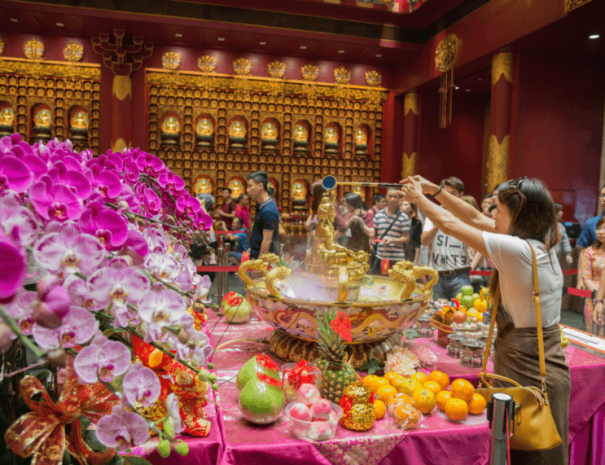
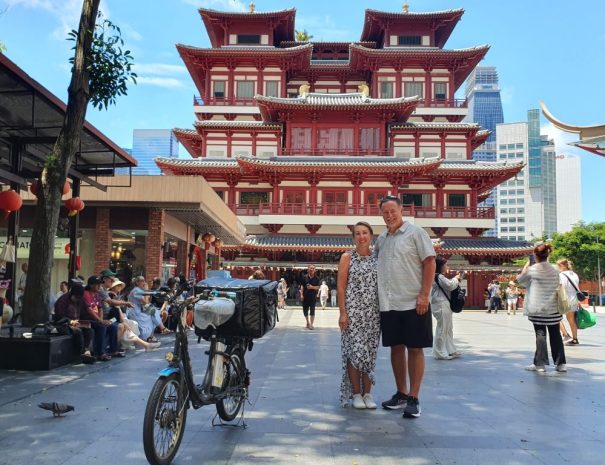
Vesak Day offers another meaningful cultural experience, with Buddhist temples across Singapore holding prayer ceremonies, meditation sessions and sacred rituals commemorating the birth, enlightenment and passing of Siddhartha Gautama Buddha. Visitors can also observe the celebrations at the Buddha Tooth Relic Temple in Chinatown.
Art lovers can also visit National Gallery Singapore, which presents changing exhibitions alongside its permanent collections of Singapore and Southeast Asian art. Check the Gallery’s official exhibition calendar before visiting, as programmes and exhibition dates change throughout the year.
June to August: Festivals and National Day
June to August is another popular time to visit Singapore, coinciding with school holidays in many countries and a busy calendar of local events. This period is well suited to travellers who enjoy lively celebrations and do not mind sharing the city’s major attractions with larger crowds.
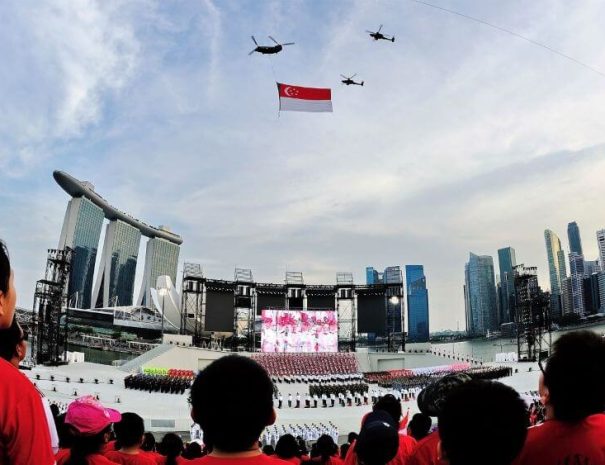
August is particularly memorable as Singapore celebrates its independence with the annual National Day Parade. Visitors can enjoy fireworks, aerial flypasts, live performances and a festive atmosphere around the main celebration areas. Community events across the island also offer an opportunity to experience Singapore’s national pride and multicultural spirit.
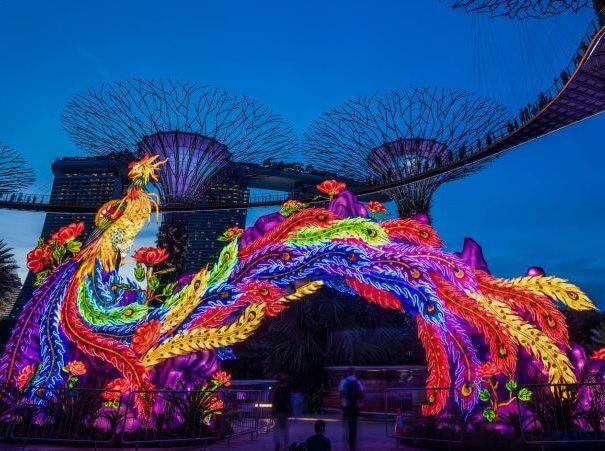
September to December: Formula 1, Christmas Lights and New Year's Eve Countdown
September brings the Mid-Autumn Festival, a traditional celebration centred on family gatherings, lanterns and mooncakes. When night falls, Chinatown glows with colourful light installations along Eu Tong Sen Street, New Bridge Road and the surrounding streets. Visitors can browse festive stalls, sample mooncakes and traditional treats, and enjoy cultural activities in the heart of the district. Weekday evenings are generally quieter for those who prefer a more relaxed visit.
Come October, the Formula 1 Singapore Grand Prix transforms Marina Bay into a high-energy night-race circuit. Drivers navigate tight corners and challenging street conditions against the city skyline, while international concerts and entertainment continue beyond the track. Past editions have featured global artists such as Dua Lipa, Kylie Minogue and Liam Gallagher, making the Singapore Grand Prix a major event for both motorsport and music lovers.
By November, Christmas festivities are in full swing. Orchard Road begins its annual Christmas transformation. A much-loved tradition among locals and visitors, the Orchard Road Christmas Light-Up fills Singapore’s main shopping district with festive illuminations, decorations and seasonal activities, signalling the start of the year-end celebrations. An evening stroll along Orchard Road is one of the easiest ways to enjoy Singapore’s festive atmosphere, even if shopping is not on your itinerary.
As the year draws to a close, usher in the new year at the Marina Bay New Year’s Eve Countdown. The waterfront comes alive with dazzling fireworks, light displays and a lively celebratory atmosphere. Crowds often arrive early to secure the best viewing spots and photograph the fireworks, while live performances, DJ sets and street entertainment keep the festivities going throughout the evening.
Insider Tip: Celebrate New Year’s Eve at a rooftop venue such as LeVeL33, which offers sweeping views of the Marina Bay skyline. Make an early reservation to secure a table with one of the best views of the city.
Explore Singapore’s History and Culture Through Its Neighbourhoods
Singapore’s multicultural identity is best experienced by exploring its historic neighbourhoods, where different communities have shaped the city through religion, food, architecture and traditions. Each district has its own distinct character, offering a deeper understanding of Singapore’s heritage beyond its modern skyline. English is one of Singapore’s official languages and is widely spoken, making it easy for visitors to navigate the city, communicate with locals or explore independently.
For travellers who would like to explore these historic neighbourhoods with a local guide, the Singapore Cultural Highlights Tour brings together three of Singapore’s most significant cultural districts in one experience.
Chinatown
Chinatown traces its roots to Singapore’s early Chinese immigrant community and remains one of the city’s most culturally significant districts. Our Private Street Food Tour of Chinatown and Little India combines local favourites such as Hainanese chicken rice and prata with the cultural landmarks and food traditions of both neighbourhoods.
Little India
With its colourful streets lined with flower-garland stalls, fragrant spice shops and ornate Hindu temples, Little India offers an engaging introduction to Singapore’s Indian heritage. Traditional sweet shops, bustling markets and long-standing eateries make it one of the city’s most atmospheric cultural neighbourhoods.
Kampong Glam
Once the seat of the Malay royalty, Kampong Glam blends Malay, Arab and Muslim heritage with contemporary cafés, boutiques and independent galleries. The iconic Sultan Mosque, historic shophouses and lively streets such as Arab Street and Haji Lane make it one of Singapore’s most distinctive neighbourhoods.
Katong-Joo Chiat
Katong-Joo Chiat is celebrated for its beautifully preserved Peranakan shophouses, colourful architecture and long-standing food traditions. As one of Singapore’s best-preserved heritage districts, it offers an insight into Peranakan culture, from its distinctive design and customs to local dishes that have been passed down through generations.
To discover more of Singapore’s cultural landmarks, heritage sites and museums, explore our guide to History and Culture in Singapore: 24 Heritage Sites, Museums and Cultural Landmarks
Popular Singapore Attractions to Visit Year-Round
National Orchid Garden
Located within the UNESCO-listed Singapore Botanic Gardens, the National Orchid Garden is home to more than 1,000 orchid species and 2,000 hybrids, including varieties named after visiting world leaders and celebrities. After exploring the gardens, continue to Palm Valley and Swan Lake, two scenic spots for a relaxed walk or picnic.
Gardens by the Bay
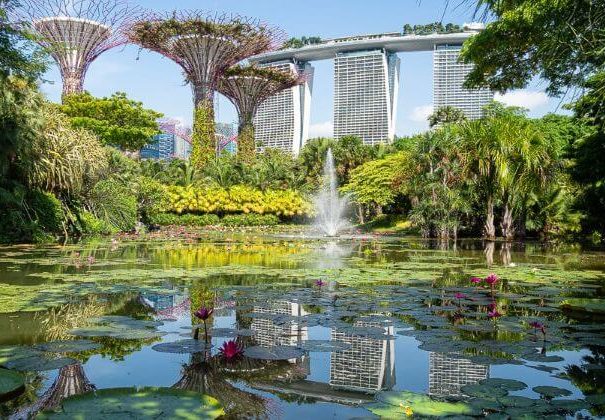
Ranked No. 3 Top Attraction in the World in the Tripadvisor Travellers’ Choice Awards 2026, Gardens by the Bay is one of Singapore’s most celebrated attractions. Don’t miss the spectacular Cloud Forest, home to one of the world’s tallest indoor waterfalls, and the Flower Dome, a vast cooled conservatory showcasing plants from Mediterranean and semi-arid regions, before ending your visit beneath the iconic Supertrees for the free Garden Rhapsody light and sound show.
Marina Bay Sands
With its distinctive three towers topped by a ship-like SkyPark, Marina Bay Sands, designed by Moshe Safdie, is one of Singapore’s most recognisable landmarks, combining a hotel, casino, shopping mall and convention centre. Stay for Spectra, the free nightly light and water show along the Marina Bay waterfront.
Singapore River
A Singapore River Cruise provides a relaxing introduction to the city’s history and skyline, passing landmarks such as Marina Bay Sands, Merlion Park and the historic Boat Quay and Clarke Quay precincts. Travelling aboard a traditional bumboat offers a unique perspective on Singapore’s transformation from a colonial trading port to a modern global city.
Sentosa Island
Sentosa Island is Singapore’s premier destination for beaches, attractions and family-friendly entertainment. Home to attractions such as Universal Studios Singapore, the Singapore Oceanarium and the Singapore Cable Car, it offers a full day of adventure with panoramic views of the city skyline and surrounding coastline.
Unique Events and Festivals in Singapore
Beyond Singapore’s major cultural festivals, the city hosts a distinctive calendar of events spanning the arts, aviation, heritage and year-end celebrations. For travellers, these events offer a closer look at Singapore’s multicultural character and add another dimension to a visit beyond the usual sights.
Singapore Art Week
Held every January, Singapore Art Week transforms the city into a vibrant showcase of contemporary art through exhibitions, installations, gallery openings and public programmes across museums, cultural institutions and creative districts. To explore Singapore’s outstanding museums beyond the festival, read our guide to Top 10 Museums in Singapore, featuring must-visit collections spanning art, history, science and Asian civilisations.
Chingay Parade Singapore
Held during the Chinese New Year period, the Chingay Parade is one of Singapore’s largest multicultural street celebrations. Expect illuminated floats, elaborate costumes, dance performances and music representing the city’s diverse communities, all brought together in a lively evening parade.
Singapore Airshow
The Singapore Airshow is one of Asia’s leading aerospace and defence events, featuring aerial displays, aircraft exhibitions and the latest developments in aviation technology. Public visitors can look out for Weekend@Airshow, when selected military and commercial aircraft, interactive displays and flying demonstrations are opened to a wider audience.
Thaipusam
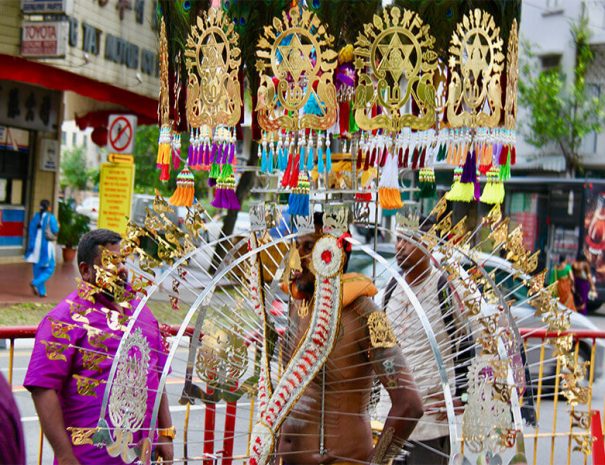
Thaipusam is a Hindu festival of devotion dedicated to Lord Murugan. One of Singapore’s most striking religious processions, devotees carry elaborately decorated kavadis from the Sri Srinivasa Perumal Temple in Little India to the Sri Thendayuthapani Temple as an act of faith and thanksgiving.
Ballet Under the Stars
Presented by Singapore Ballet, Ballet Under the Stars is an annual outdoor performance held at Fort Canning Park. Audiences gather on the lawn with picnic mats and refreshments while professional dancers perform classical and contemporary works beneath the evening sky.
Christmas Wonderland at Gardens by the Bay
During the festive season, Gardens by the Bay transforms into Christmas Wonderland, one of Singapore’s most popular year-end events. Visitors can explore large-scale light installations, carnival attractions, festive stalls and seasonal entertainment, all set against the illuminated Supertrees.
Frequently Asked Questions: Best Time to Visit Singapore
What is the best time of year to visit Singapore?
Singapore is a year-round destination thanks to its consistently warm climate and relatively small seasonal variations. The best time to visit depends on what you want to experience. Visit between January and March for major cultural festivals, June to August for National Day celebrations, or September to December for the Formula 1 Singapore Grand Prix, Mid-Autumn Festival and Christmas festivities. For fewer crowds, consider travelling from March to May or September to October.
When is the best time to visit Singapore for the weather?
Singapore is warm and humid throughout the year, with daytime temperatures typically ranging from 27°C to 32°C (81°F to 90°F). February is typically Singapore’s driest month and may suit travellers who prefer a lower chance of prolonged rain while sightseeing outdoors. Rainfall varies between the Northeast and Southwest Monsoons, but brief tropical showers are common throughout the year.
When is the best time to visit Singapore for festivals?
Singapore celebrates cultural festivals and major events throughout the year. Visit from January to March for Pongal, Chinese New Year and Ramadan festivities; April to May for Vesak Day and Pesta Raya; August for National Day celebrations; and September to December for the Mid-Autumn Festival, Formula 1 Singapore Grand Prix, Orchard Road Christmas Light-Up and Marina Bay New Year’s Eve Countdown.
Does Singapore have a rainy season?
Singapore experiences two monsoon periods rather than four distinct seasons. The Northeast Monsoon, from December to early March, is generally wetter, while the Southwest Monsoon, from June to September, is typically drier. Short tropical showers and thunderstorms can still occur throughout the year, so carrying a poncho or compact umbrella is advisable.
Is Singapore hot all year round?
Yes. Located just one degree north of the equator, Singapore has an equatorial climate with warm temperatures across the year. Daytime temperatures usually range from 27°C to 32°C (81°F to 90°F), while humidity remains high. Lightweight clothing, comfortable walking shoes and sun protection are useful regardless of when you visit.
Is there a good time to visit Singapore to avoid the crowds?
March to May and September to October are generally less crowded than the busier travel periods of June to August and December to February. These months can offer a more relaxed sightseeing experience, although visitor numbers may still rise during school holidays, major festivals and international events such as the Singapore Grand Prix.
That said, Singapore generally does not experience the severe levels of overtourism seen in some major destinations. Even during peak travel periods, visitors can usually explore the city’s main landmarks without feeling overwhelmed by excessive crowds. For a quieter experience at popular attractions such as Gardens by the Bay and the National Orchid Garden, plan to visit early in the morning or later in the afternoon.
How many days should I plan for my first visit to Singapore?
A three- to four-day itinerary is suitable for most first-time visitors. This allows enough time to explore Marina Bay, Gardens by the Bay, Chinatown, Little India, Kampong Glam and Sentosa while enjoying Singapore’s hawker food and cultural attractions. With five days or more, you can also visit museums, nature areas and neighbourhoods such as Katong-Joo Chiat, Toa Payoh and Queenstown – beyond the main tourist districts.
What is the best way to travel around Singapore?
Singapore’s MRT and public bus network are the fastest and most convenient ways to explore the city-state. Singapore is a small country, and many major attractions are located within 20 to 30 minutes of one another by MRT, making it easy to see a great deal even on a short visit. Taxis and ride-hailing services are also readily available. For fares, payment methods and practical advice, read our public transport guide.
Can you visit Singapore all year round?
Yes. Singapore’s warm climate, efficient public transport and mix of indoor and outdoor attractions make it a year-round destination. Rather than planning around a particular season, many travellers choose their dates according to festivals, major events, crowd levels and the experiences they want to prioritise.