
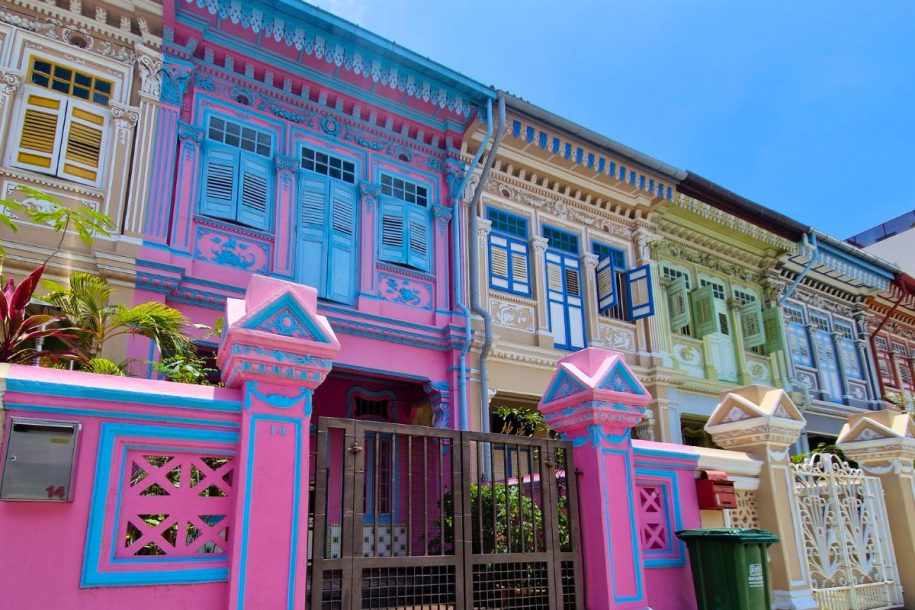
Besides its iconic skyline of traditional shophouses set against futuristic skyscrapers, Singapore stands out for its cleanliness, safety, and efficiency. If you’re planning a trip, here are 10 essential things to know before visiting Singapore.
Local customs, traditions, and a distinctive national mindset have shaped Singapore into the world-class country it is today. Whether you’re visiting as a tourist or relocating here for work or study, familiarising yourself with the Little Red Dot — and its unique cultural expectations — will enrich your experience. From hawker centre etiquette to practical sightseeing tips, these insights will help you navigate Singapore with greater confidence.
What First-Time Visitors Should Know About Singapore
1. Singapore Is Known as a City in a Garden
Singapore is often described as a Garden City, a reflection of its long-standing effort to weave greenery into urban development. Unsurprisingly, Singapore is home to more than 400 parks. On any given day, you’ll notice buildings with vertical gardens, streets shaded by dense tree cover, and community gardens within public housing estates. Nature reserves sit minutes from residential and commercial districts, while park connectors link neighbourhoods to waterfronts and forests, forming an island-wide network of green spaces.
Nature lovers will find plenty to explore, from the Singapore Botanic Gardens and MacRitchie Reservoir to East Coast Park, Gardens by the Bay, Fort Canning Park, and Jurong Lake Gardens. For a deeper appreciation of the island’s biodiversity, take a private walking tour with our nature guide who shares expert insights into native flora, distinctive tree species, and scenic viewpoints across Singapore’s green spaces.
2. Understand Hawker Centre Customs (Chope-ing)

Visiting hawker centres and historic neighbourhoods like Chinatown and Little India is one of the most relevant things to know before visiting Singapore, as these places reveal the city’s multicultural heritage. Singaporeans and travellers alike flock to bustling and affordable multi-cuisine food courts aka the hawker centres. More than just a place of nourishment, hawker establishments are where conversations flow and connections are forged.
Although hawker centres may feel relaxed and informal, there are a few unspoken rules that help everything run smoothly. One of the most recognisable practices is “chope-ing”—reserving a table by placing a small personal item like a tissue packet or umbrella on it. It might look unusual to first-time visitors, but it’s widely accepted and respected, especially during peak hours. When ordering food, it’s common courtesy to return your tray and crockery to designated return stations after your meal, a practice that has become mandatory in recent years to maintain cleanliness.
If you’re interested in visiting a hawker centre, consider joining the popular street food tour organised by Culture Curious. From unlocking stories behind the dish to trying different local cuisines, while navigating the unsaid hawker rules with ease, their food tour is known to satiate the mind and tastebuds.
3. Prepare for Singapore’s Tropical Climate
Understanding the tropical climate is one of the practical things to know before visiting Singapore, especially if you plan to spend time exploring outdoor attractions. Sunshine is common, but sudden downpours are equally part of the experience — and when it rains, it really pours. Buildings are designed with sheltered walkways and strong air-conditioning, parks are filled with dense tree cover to provide shade, and lightweight, breathable clothing is the norm.
Outdoor activities are often planned for early mornings or late afternoons when the heat is less intense. While the humidity can take some getting used to, it helps to carry a small portable fan, wear breathable fabrics such as cotton, and take advantage of the city’s many air-conditioned spaces. You can keep an eye on the local weather by checking the NEA weather forecast.
4. Be aware of local rules
You may have noticed souvenirs describing Singapore as the “Fine City.” The playful phrase refers to the country’s reputation for having clear rules that help keep the city clean, safe, and well organised.
For example, littering is taken seriously and penalties are enforced to maintain Singapore’s famously spotless streets. Smoking is only allowed in designated areas and is restricted in most indoor public spaces such as shopping malls, food centres, and public transport hubs.
Singapore is also known for its ban on the import and sale of chewing gum (with limited medical exceptions). Eating or drinking is not allowed on MRT trains and buses, a rule that helps keep the public transport system clean and comfortable for everyone.
Fun fact: you may spot signs prohibiting durian — the famously pungent Southeast Asian fruit — on public transport and in certain indoor spaces. Its strong aroma is beloved by many locals, but can be overwhelming in enclosed areas.
5. Singapore is one of the safest cities in the world
Singapore is widely regarded as one of the safest cities in the world, and visitors often notice the sense of ease that comes with moving around the island at any hour of the day. It is common to see people walking alone late at night, families out with children after dark, and commuters using public transport without hesitation.
Singapore has one of the lowest crime rates in the world: public spaces are brightly lit and carefully maintained, and law enforcement is visible yet unobtrusive. This strong sense of safety makes Singapore a particularly comfortable destination for solo travellers, women travellers, and families with young children.
One small detail often surprises visitors: it is not uncommon to see locals leaving a bag or laptop on a table while ordering food at a hawker centre — a quiet reflection of the trust many people feel in everyday life here.
6. Singapore may be small but there’s plenty to see, do and experience
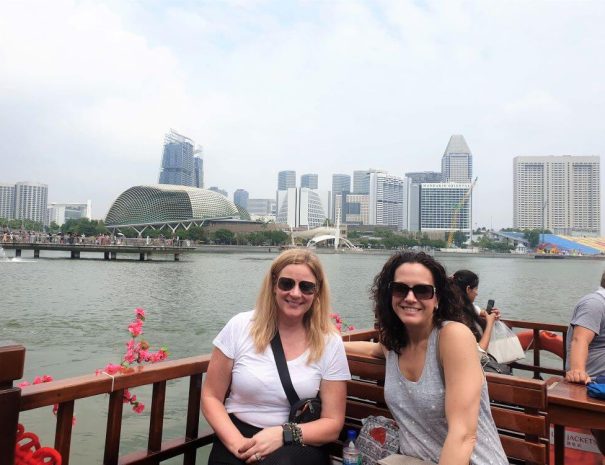
Singapore may be a small country, but it is remarkably rich in experiences. Within a short distance, you can move from scenic waterfronts and architectural icons to heritage neighbourhoods filled with ornates shophouses, temples and bustling markets. The city offers an impressive variety of attractions. From world-class museums and vibrant street art districts to Michelin-starred restaurants, there’s something for everyone.
Whether you are on a short layover or wish to explore places of interest in greater depth, why not outsource your Singapore itinerary to expert and knowledgeable guides at Culture Curious. Fans of art and culture may consider booking our private walking tour, Culture, Art & Architecture.
7. Singapore is multilingual and English is widely spoken
Singapore’s diversity is immediately noticeable to visitors. The country has four official languages — English, Mandarin, Malay, and Tamil — reflecting its multicultural population. For tourists, the good news is that English is widely spoken and used as the main working language. Street signs, public transport announcements, restaurant menus, and official information are all in English.
As you move away from the city centre and explore local neighbourhoods, you may also hear conversations in Mandarin or Singlish, Singapore’s distinctive local colloquial English. For visitors curious about these cultural nuances, knowledgeable local guides can help interpret the stories, traditions, and everyday expressions that shape life in Singapore.
8. Explore Singapore’s culturally rich neighbourhoods
Singapore’s multicultural identity is one of the first things visitors notice. The nation is home to diverse communities — primarily Chinese, Malay, Indian, and Eurasian — whose traditions, languages, and religious practices continue to shape everyday life.
Beyond the headline attractions such as Gardens by the Bay, the Singapore Flyer, and Universal Studios, some of the most meaningful experiences can be found in Singapore’s historic neighbourhoods. Districts like Chinatown, Kampong Glam, and Little India developed as early immigrant communities and remain vibrant centres of culture today.
In Chinatown, historic shophouses, traditional businesses, and hawker stalls sit alongside places of worship such as the Buddha Tooth Relic Temple. Kampong Glam, once the seat of Malay royalty in Singapore, is known for the golden-domed Sultan Mosque, colourful shophouses, and a thriving street art scene. Meanwhile, Little India offers a sensory glimpse into Indian culture, from the bustling Tekka Centre to the ornate Sri Veeramakaliamman Temple.
Exploring these neighbourhoods offers visitors a deeper understanding of Singapore’s multicultural heritage and the spirit of social harmony that defines life in the city today.
9. Walk with a Local Guide to Understand Singapore’s Transformative Public Housing
Singapore’s public housing system is one of the most distinctive features of the nation’s urban landscape. Unlike in many cities where public housing carries social stigma, the majority of Singapore’s residents live in thoughtfully planned Housing & Development Board (HDB) flats. Today, around 80% of the resident population resides in these public housing estates.
These neighbourhoods are far more than apartment blocks. HDB estates are designed as self-contained communities, with schools, markets, clinics, parks, and public transport links within walking distance. The buildings are well maintained, regularly upgraded, and integrated with greenery, playgrounds, and shared spaces that encourage interaction among residents.
For visitors interested in understanding how Singapore has shaped its urban environment, exploring a public housing estate offers valuable insight into the country’s approach to city planning and social development. A guided walking tour by Culture Curious provides deeper context into Singapore’s public housing and urban transformation, while also including a visit to Pinnacle @ Duxton, an award-winning public housing estate in the city.
10. Cashless payments are widely accepted
Singapore is one of the most cashless societies in Asia. Credit cards and contactless payments such as Apple Pay and Google Pay are widely accepted across shopping malls, restaurants, taxis, and most attractions. Most neighbourhood cafés and smaller shops support digital payments, so visitors will rarely find themselves needing cash. Many locals even pay for hawker meals and kopi using QR codes or mobile wallets.
That said, it’s still useful to carry some cash when visiting traditional markets or older hawker stalls, where some vendors may prefer it. ATMs are easy to find across the island, and currency exchange counters are common in major shopping centres, attractions and major landmarks.
Getting around is just as convenient. Visitors can simply tap a contactless bank card or mobile wallet when boarding MRT trains and public buses, making Singapore’s public transport system especially easy to navigate.
Understanding these local customs, practical tips, and cultural nuances will help you experience Singapore with greater confidence. From navigating hawker centres to exploring historic neighbourhoods, these are some of the most useful things to know before visiting Singapore for the first time.